Compare professional caregivers and supportive services
Home Help: Preserving Seniors Safe and In Control
Home care serves as a crucial support system for seniors, enabling them to live freely and safely in their own homes. By offering personalized assistance, it caters to vital daily activities and health management. This approach not only reduces risks but also encourages a sense of autonomy and comfort. Nonetheless, the home care landscape is diverse, comprising various services that can be modified to suit individual needs. What are the specific options available, and how can they impact?
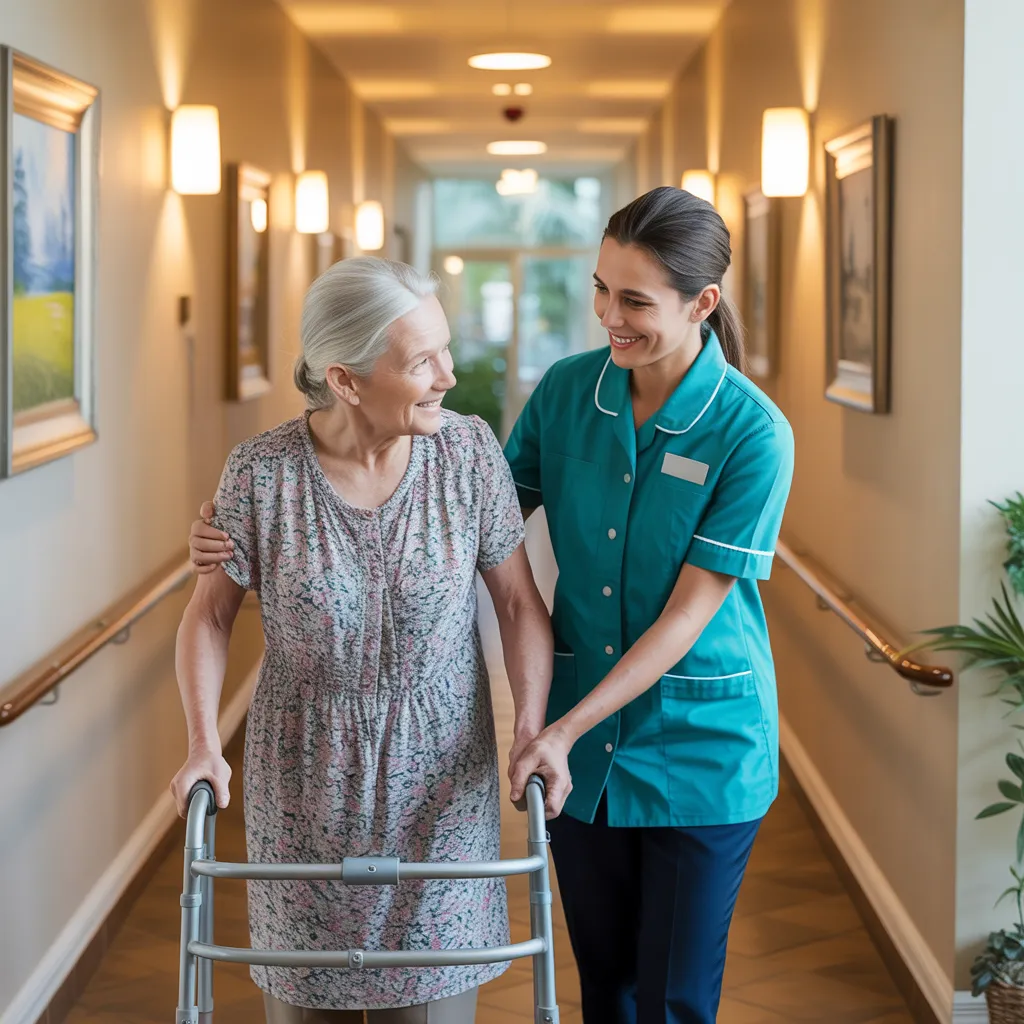
Ways Home Care Maintains Elderly Safe and Independent
Home care plays a crucial function in ensuring seniors retain safety and independence within their own homes. By offering tailored support tailored to individual needs, home care services help seniors to handle daily tasks with confidence. Trained caregivers help with essential activities such as medication management, meal preparation, and personal hygiene, reducing the risk of accidents and health complications.
Additionally, in-home care creates a known environment, allowing seniors to thrive in a setting where they feel comfortable. This familiarity can alleviate feelings of isolation and support mental well-being. Home care professionals also monitor changes in health status, providing timely interventions when necessary. The presence of a caregiver can deter act now potential hazards, such as falls or unsafe living conditions, further improving safety. Ultimately, home care enables seniors to live with dignity while receiving the support they need to remain in control of their lives.
What are the various kinds of Home Care Services?
What categories of home care services are offered to help seniors in their daily lives? Various methods cater to the diverse needs of the elderly. Personal care services assist daily tasks such as bathing, grooming, and dressing, making sure seniors maintain their hygiene and comfort. Home health care addresses medical needs by providing skilled nursing and therapy services to manage chronic conditions or facilitate recovery from illness.
Companionship services provide emotional support and social interaction, helping to combat loneliness. Homemaker services assist with household tasks such as meal preparation, cleaning, and laundry, ensuring a safe living environment. Transportation services allow seniors to attend appointments or social events, encouraging independence. Lastly, respite care provides temporary relief for primary caregivers, giving them crucial breaks. Together, these services form an extensive support system aimed to improve the quality of life for seniors while promoting their independence.
Why having companionship is crucial in in-home care
Companionship serves as an necessary part of the overall well-being of seniors receiving home care. Social interaction substantially influences emotional health, reducing feelings of loneliness and depression. When caregivers offer companionship, they support trust and initiate communication, letting seniors to express their needs and concerns more freely.
Moreover, the availability of a peer can raise mental sharpness through lively exchanges and shared activities, which may help hold back cognitive decline. Companionship also encourages seniors to be active and involved in their communities, promoting a sense of value and belonging.
Additionally, psychological aid from a ally can strengthen resilience during tough situations, making it easier for seniors to adapt to changes in their health or living conditions. Ultimately, supporting these relationships can lead to a more fulfilling and enhanced life for seniors, enabling them to maintain their independence while securing the necessary care.
Customizing House Care Programs for Individual Requirements
When assessing the varied needs of seniors, customizing home care plans becomes necessary to offer ideal support and well-being. Every senior's circumstance is unique, affected by aspects such as health conditions, mobility levels, and personal preferences. Adapted plans can meet specific medical needs, like medication management or physical therapy, while also covering emotional support and social interaction.
Engaging assistants who comprehend the individual’s history and interests forms a meaningful connection, enhancing the overall care experience. Routine assessments enable revisions to the care plan, ensuring it progresses along with the senior’s changing needs.
Including family input can further polish these plans, developing a team-based approach that honors the senior's respect and autonomy. By focusing on customization, home care services can effectively boost autonomy, safety, and a greater well-being for seniors, ultimately providing a more fulfilling living experience at home.
An Overview of Knowing the Charges of In-Home Care
Understanding the expenses associated with home care services is crucial for families seeking the best help for their elderly loved ones. Home care expenses can differ greatly depending on the amount of care necessary, the geographic area, and the exact support provided. Families ought to take into account the variation between hourly fees for caregivers and the possible expenses of full-time care.
Along with caregiver wages, other factors like transportation fees, medical equipment, and administrative costs might also influence the total expenses. Insurance plans, including Medicare and Medicaid, may change out-of-pocket costs, so families ought to review their policies diligently.
Budgeting for home care requires an thorough understanding of these variables. Families are prompted to consider multiple care options and consult with professionals to create a tailored plan that covers both financial and care needs. This preparation can lead to well-considered decisions that improve the standard of living for seniors.
Frequently Asked Questions
In what ways can I judge the quality of a home care provider?
To evaluate the quality of a home care provider, one needs to examine credentials, client reviews, service offerings, staff qualifications, and responsiveness. Moreover, going to facilities and performing interviews can provide valuable insights into their broad care standards.
What qualifications should care providers possess for in-home care?
Caregivers should hold relevant credentials, including CPR and first aid, as well as education in personal care, medication management, and communication skills. Experience in elder care and a kind demeanor further strengthen their qualifications.
What Are the Best Methods to involve My family member in healthcare choices?
You can involve a close relative in healthcare choices by encouraging transparent talks, carefully considering their preferences, supplying different possibilities, and guaranteeing they are treated with respect and appreciation during the course of decision making, thereby promoting their autonomy.
Which Indicators Show a Older Adult Could Benefit From In-Home Care?
Symptoms that a senior is in need of home care include increased forgetfulness, difficulty with everyday activities, unexpected weight loss, frequent falls, social withdrawal, or medical conditions that require aid. Noticing these changes can indicate a call for additional support.
Methods to transition a elder to home assistance with ease
To shift a senior to home care effortlessly, involve them in discussions, assess their needs, establish a routine, gradually acclimate caregivers, and maintain open communication to cultivate trust and comfort during the adjustment period.